
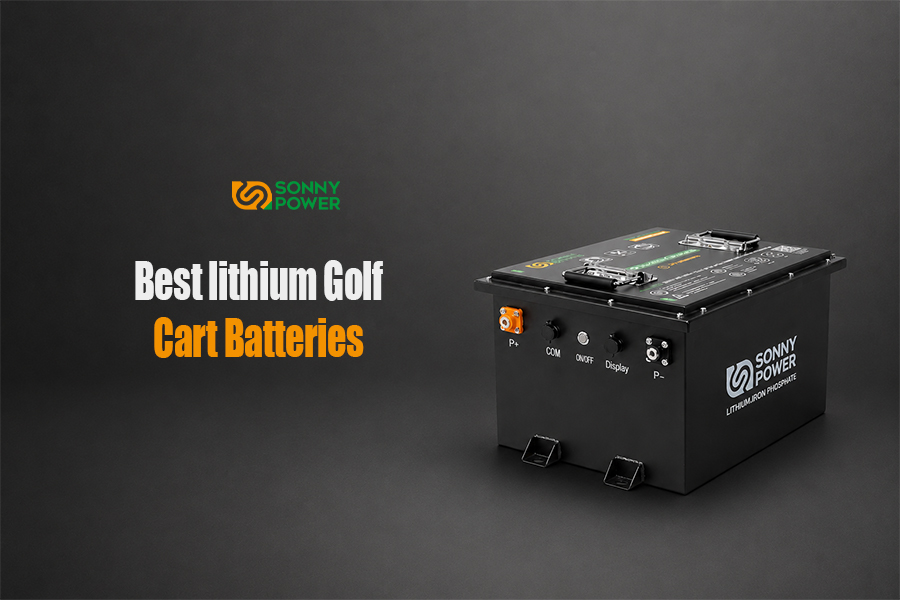
Choosing a golf cart upgrade voltage might be challenging with so many options. In a guarded community, resort, or golf course, configuration affects range, speed, and reliability. This tutorial explains voltage so you can buy the best lithium golf cart batteries now.
Basic Voltage Understanding
Golf carts use 36V, 48V, or 72V systems with different speeds, torque, and runtimes. Higher-voltage systems handle slopes, loads, and longer drives, whereas lower-voltage systems are for casual use. Matching voltage to your cart’s electrical system protects performance and investment. Drivers have options in the voltage range of Lithium Iron Golf Cart Batteries.
Why 48V Is Still Best
Since 48V balances power and efficiency, most carts use it. A 48V system charges quickly, generates steadily, and covers short climbs and long trips without emptying. Most riders who want steady performance for neighbourhood walks or golf courses prefer 48V. This voltage fits most carts; therefore, lithium golf cart battery buyers prefer it.
When 36V Makes Sense
Little, light carts for flat terrain or short trips use 36V systems. Casual riders without torque or range will love the voltage. 36V designs are simple and efficient for basic transportation, but they can’t match higher voltages. It suits electric mobility beginners without high performance needs.
Choose 72V for Heavy Duty.
72V helps commercial fleets, steep terrain, and passenger/cargo carts. Higher voltage handles steep inclines, longer distances, and continuous use better than lower voltage. Many businesses with many carts prefer 72V to reduce charging frequency and suit busy schedules. Well-matched golf cart lithium batteries at this voltage maintain output under heavy load.
Cart Model Voltage Matching
Before updating, check your cart’s voltage and amp-hour rating to avoid performance or compatibility issues. Checking specs saves time and effort because battery packs have precise voltage values. Drivers can choose a capacity for their regular driving distance and terrain after validating the voltage.
Cart setup reading
Most carts show voltage on the battery pack or controller housing. Owner’s manuals explain the original electrical layout. Riders can count the tray’s battery slots to discover their cart’s specs, which often indicate system connection. Correcting this upfront saves time assessing cart-unfit solutions.
AHV and V
Voltage does not indicate power duration, but amp-hour rating does. Two carts with the same voltage can behave differently on the course depending on amp-hour capacity. Riders who ride long distances or circles without recharging should consider this rating and voltage. Matching voltage and amp-hour capacity creates a driving-specific arrangement.
Climate, terrain
Hilly courses and uneven residential streets tax any battery system, making voltage selection critical. Carts discharge differently in hot temperatures; therefore, drivers in warmer areas may want temperature resilience. Cooler temperatures are preferable for batteries, although abrupt temperature fluctuations can affect output regardless of voltage. Which voltage configuration works year-round depends on topography and climate.
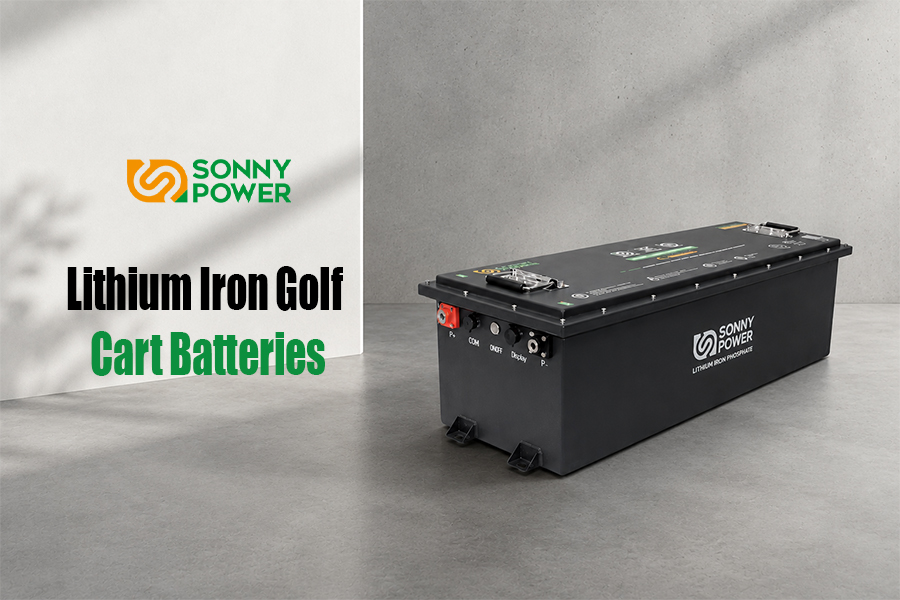
Performance varies by Voltage’s
Higher voltage systems have more torque and acceleration, but lower voltage systems are simpler and lighter. Riders should consider topography, driving frequency, and passenger/equipment load. These factors define the voltage tier for lifestyle or business.
Lithium Outperforms Lead-Acid at Any Voltage
Lithium offers more stable power than lead-acid throughout the discharge cycle, independent of voltage. Carts don’t slow down as electricity runs out, and all voltages charge faster. Without watering, acid tests, or corrosion cleaning, upkeep is low. Switching from lead-acid systems reports an instant ride quality increase due to consistency.
Weight-saving at all voltages
Lithium packs are lighter than lead-acid, benefiting 36V, 48V, and 72V systems. Carts with less weight accelerate faster, handle better, and strain suspension components less. This weight reduction lets carts transport more people or cargo without impacting lithium switch performance. This difference is readily noticeable when navigating slow curves or inclines.
Voltage Stability and Battery Management
A good BMS ensures safe and stable voltage configurations. These devices monitor cell performance, balance charge levels, and reduce voltage drift, which shortens battery life. Strong BMS protection keeps carts’ 36V, 48V, or 72V output stable during charge cycles. Stability facilitates smoother acceleration and more accurate daily driving range estimates.
Value across voltage options over time
Lithium batteries last longer and have thousands of charge cycles independent of voltage. A smart lithium iron golf cart battery setup reduces replacement frequency and preserves output year after year. Correct voltage prevents swaps and optimises cart performance.
Common Voltage Selection Errors
Most riders think higher voltage means better performance, but larger systems can strain components not designed for that output. Sometimes drivers underestimate their needs and end up with a setup that struggles on hills or long travels. Avoiding cart motor and controller compatibility is another typical mistake that leads to disappointment. Voltage matching prevents these concerns and assures a stable setup from the outset.
How Sonny Power Selects Voltage
Drivers can modify carts with Sonny Power’s 36V, 48V, and 72V options. Their small, lightweight units fit most cart models and avoid overcharging and overheating with Battery Management Systems. Quality lithium construction and voltage make a difference on the course or in the neighbourhood, whether upgrading a personal cart or a commercial fleet.
Thinking about Final Voltage
The “best” voltage for each rider depends on terrain, distance, load, and cart use. Daily users use 48V, casual drivers 36V, and commercial applications 72V. Knowing these distinctions helps buyers buy lithium golf cart batteries for sale without guessing. A voltage-matched golf cart lithium battery offers smoother rides, longer range, and year-round reliability.
Read Also: Choosing the Best Lithium Iron Golf Cart Battery (36V, 48V & 72V) for Maximum Performance
