
After several seasons on the road, every RV owner wonders: should I upgrade the lead-acid bank? As more electronics, fridges, and lighting systems use lead-acid batteries, they struggle. A modern lithium system is one of the easiest RV upgrades and enhances performance.
Anyone who has seen a lead-acid gauge drop faster than planned on a cold morning understands irritation. The battery rarely tells the whole story until it’s too late, when coffee makers, heaters, and phone chargers compete. A lithium upgrade explains the uncertainty by showing passengers the available power.
The Real Question Behind Every Upgrade
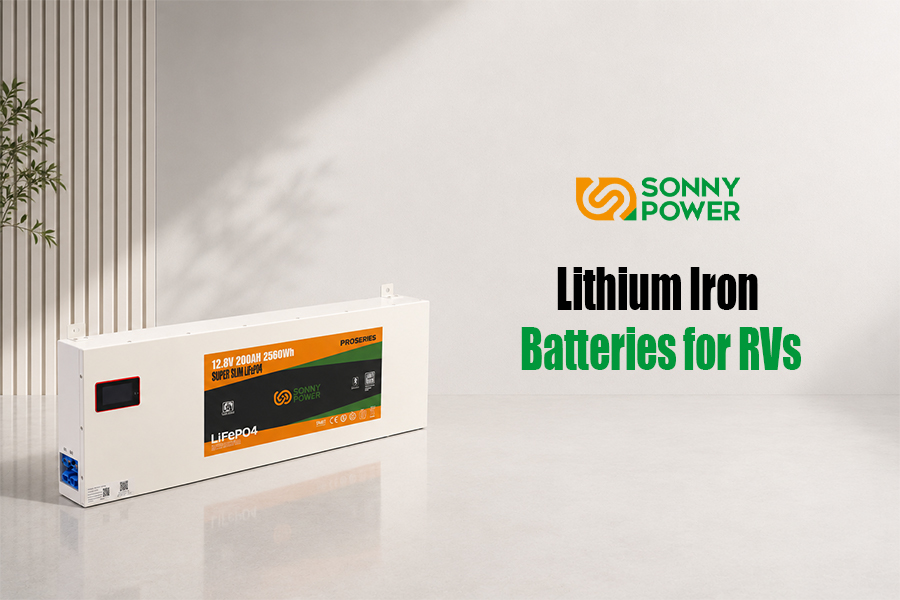
Since most RVs accept lithium swaps, the question isn’t “can I replace them?” Switching is worth it for most travellers. Modern campers’ constant power demand overwhelms lead-acid batteries, which were designed for gradual discharge decades ago. Since Lithium Ion Batteries for RVs provide consistent voltage from full charge to near-empty, appliances perform the same whether the battery is 100% or 20%.
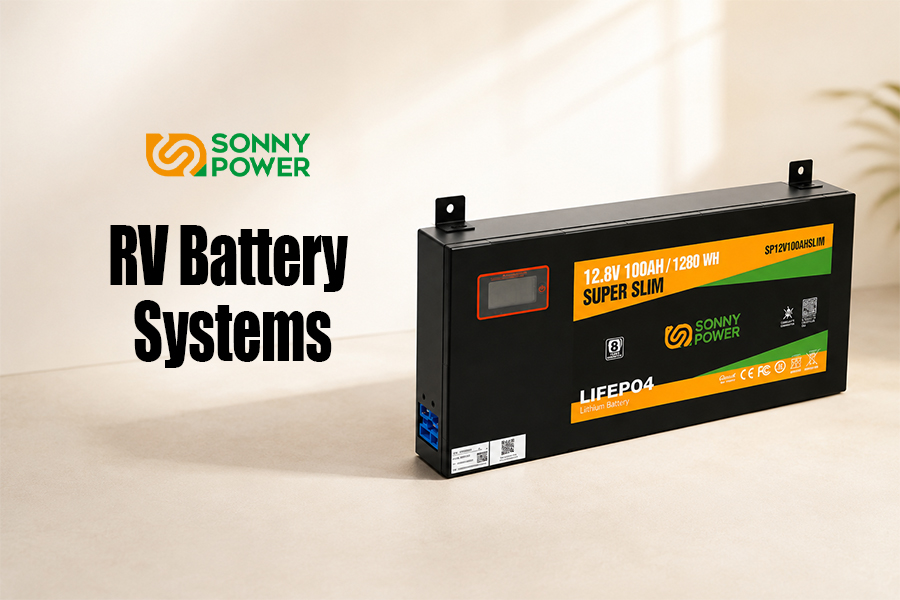
RV electrical systems must be considered while replacing battery banks. Owners who switch to lithium often design RV Battery Systems instead of buying batteries separately. Solar panels, inverters, and monitoring screens improve after fundamental battery chemistry upgrades.
Road Lead-Acid Failure
Lead-acid batteries lose power very fast because they should only be used down to 50% cycle depth before their performance or lifetime will deteriorate. They require regular fluid checks and preventative measures against sulfation since they are heavy and damage is temperature sensitive. Long-term off-grid users wonder how much energy they will have available.
If you go camping, the weight alone is heavy. On long-term camping trips, a lead-acid battery may weigh in excess of 100 lbs, which takes up a large amount of cargo space and increases your fuel consumption. With lithium, you can eliminate the weight of lead-acid batteries and free up space for your other gear, food, or other necessities when going on long trips.
Lithium batteries reverse the equation. You do not have the need to put water into them or ventilate them, and they are capable of withstanding deep discharge cycles, extreme heat, and freezing temperatures. Their internal chemistry is much safer than lead-acid batteries, so you have less maintenance and get to do more exploring and trouble-free travel.
Smartening RV Batteries
Changing batteries is wonderful, but a power setup around the new lithium bank is preferable. Inverter compatibility, solar charge controllers, and extensible capacity for power growth are usual. Full-time van dwellers and weekend campers benefit from expanding. Foundations that adapt to changing travel methods, such as adding a second battery for a longer trip or increasing solar wattage for shady areas, save owners from upgrading equipment every few years.
Solar panels efficiently charge the battery, the inverter draws clean electricity for larger appliances, and monitoring devices provide battery status on a screen or app. This type of RV battery system eliminates the uncertainty of lead-acid systems because owners can know how much energy is remaining before traveling.
Reliable RV and Daily Lithium Iron Batteries
Trailer reliability matters most when parked far from outlets. RV lithium iron batteries outperform lead-acid batteries in summer and winter. One of the safest lithium alternatives for mobile living, its intrinsic chemistry prevents thermal runaway.
Van inhabitants, seasonal campers, and full-time travellers like its compact size, consistent cycling, and years of continuous production without sulfation concerns that shorten lead-acid longevity. With thousands of charge cycles, lithium chemistry provides years of steady operation before capacity diminishes. That consistency provides long-distance off-grid travellers with confidence and eliminates the anxiety of a gauge decreasing faster than intended halfway through a trip.
The Best Lithium Trailer Batteries
Selecting the proper lithium battery is vital due to its differences. The optimal lithium trailer battery size depends on power, appliance load, journey time, and temperature. A trailer with a modest fridge and a few lights uses less power than one with an induction cooktop, AC, and electronics.
Weight, footprint, and charge rate determine trailer batteries. Higher amp-hour variants suit larger trailers with higher power needs, while slender, compact models fit into limited battery compartments without compromising capacity. Want the Best Lithium Trailer Batteries? Check continuous discharge and peak surge capacity to see if the battery can tolerate motor or compressor power spikes. Weekend trailers rarely need the same backup capacity as month-long off-grid stays, so matching the battery to the route pattern minimises daily use.
Make Change Confidently
Lead-acid to lithium conversion is easy with the correct battery size and system components. For lithium swaps, solar controllers and inverters work with most RV and trailer battery compartments. Power supplies for long trips, different weather, and daily use replace lead-acid maintenance.
Sonny Power RV, camper, and trailer lithium batteries are safe, durable, and reliable year-round. Lithium improves modern travel’s power system, not simply batteries. Lead-acid users may upgrade quickly, and the first off-grid night with brilliant lights, a running fridge, and a good battery monitor is the reward.
The journey is generally planned by monitoring daily power habits: how many devices need charging, how long the rig is without shore power, and average road temperatures. These responses indicate “going lithium” with the right battery capacity and system. For straightforward installation, lithium batteries fit most compartments and connect to lead-acid terminals.
Long-term transformation is gradual but ongoing. Sulfation damage before the next trip is no longer a concern for seasonal storage, appliances run without flickering or voltage sag, and power rationing trips are more comfortable. If RVers seek flexibility and reliability, quitting lead-acid is more about modern travel than technology.
Read Also: Choosing the Best RV Lithium Batteries for Consistent Power
